
If you’ve recently discovered barefoot shoes but aren’t sure where to start — welcome! You’re in the right place.
This beginner’s guide will help you understand why barefoot shoes are so comfortable, how to transition safely, and why so many people are choosing a more natural, healthy way to move.
The short answer: absolutely, yes!
But if you’d like to know why, here’s the longer explanation.
Barefoot shoes are designed with thin soles, no heel lift (zero drop), and no arch support or thick cushioning. That might sound strange at first — most of us have spent years wearing conventional shoes that restrict natural movement and “support” our feet in ways that actually weaken them.
So it’s normal to question how shoes without padding could be comfortable.
The secret is simple: true comfort comes from freedom, not restriction.
The only real way to know if barefoot shoes are comfortable is to feel it yourself.
Barefoot shoes reconnect you with the ground, restoring balance and natural alignment.
That said, it might not be love at first wear for everyone. If your feet have grown weak from traditional shoes, you might need some time to transition.
Your foot muscles, like any other muscles, need to work and adapt. By slowly increasing the time you wear barefoot shoes, your feet will strengthen — and soon, you’ll realize they feel more natural than anything else you’ve ever worn.
The first thing most people notice after switching to barefoot shoes is freedom for their toes.
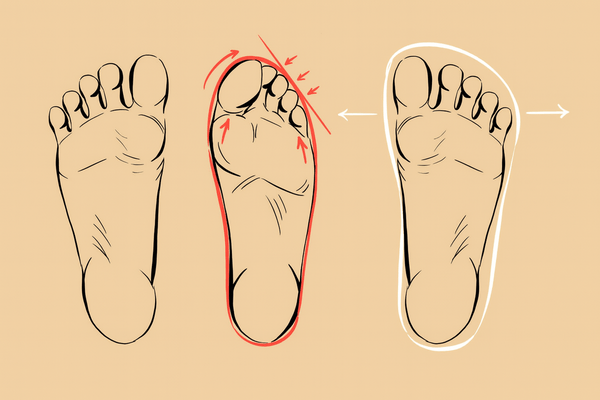
Traditional shoes squeeze your toes into a narrow, pointed box, causing pain, pressure, and sometimes deformities like bunions or hammer toes. Barefoot shoes, on the other hand, feature a wide, anatomically shaped toe box that lets your toes spread and move naturally.
This isn’t just about comfort — it’s about preventing foot problems and restoring natural function.
Many people even report improvements in balance, posture, and reduced knee or back pain once they allow their feet to move freely again.
Modern footwear has gone cushion-crazy. Some shoes feel like walking on marshmallows — but all that softness disconnects your feet from sensory feedback.
Your feet have over 200,000 nerve endings. They’re meant to feel the ground.
Barefoot shoes have thin, flexible soles that let you sense the terrain beneath you. Depending on your preference, you can choose more or less thickness — enough to protect your feet but still give you that natural feedback that teaches your body to move gently and efficiently.
When you can feel your steps, your gait naturally becomes lighter, your joints absorb less impact, and your body aligns itself correctly.
And no — thin soles don’t mean discomfort. They mean awareness.
For years, we’ve been told that every foot needs support — arch support, ankle support, heel support.
But research consistently shows that people who grow up walking barefoot have stronger, healthier feet than those who spend their lives in restrictive shoes.
When shoes provide constant support and padding, the intrinsic foot muscles stop working as they should. And when muscles aren’t used — they weaken.
Barefoot shoes bring your feet back to life. They allow muscles, tendons, and ligaments to move, strengthen, and function the way nature intended.
Most traditional shoes, even athletic ones, have a heel-to-toe drop of about 10 mm. That slight lift shifts your weight forward, shortens your Achilles tendon, and changes your natural gait.
Barefoot shoes have zero drop, meaning the sole is completely flat from heel to toe. This keeps your spine and posture in natural alignment and reduces strain on your joints.
If you’ve been wearing high heels or thick-soled sneakers for years, it might take a gradual adjustment — but your body will thank you for it.
Barefoot shoes aren’t just a fashion trend — they’re a return to what’s natural.
At first, it might feel unusual. But soon, you’ll notice your feet getting stronger, your steps lighter, and your posture more upright. You’ll realize that this is what comfort truly feels like — not soft and padded, but natural and free.